Financial literacy grant supports local budgeting service
Published on 13 October, 2026
A North Waikato budget advice service has got a welcome boost from a Momentum Waikato endowment that helps people to prosper through better money management.
Te Kauwhata Community House has been offering its budgeting support since soon after it opened 30 years ago, and last year it received a grant from the Waikato Financial Literacy Fund, which was founded at Momentum Waikato by John and Nicola Kenel, pictured below.

“Understanding money gives people more control over their lives,” says John.
“It’s not just about balancing the budget this week. It’s about avoiding expensive mistakes and having a chance to get ahead.”
“Asking for help with money can be hard,” says Nicola.
“Having someone local who listens and helps you work out the next step can make a real difference to a family.”
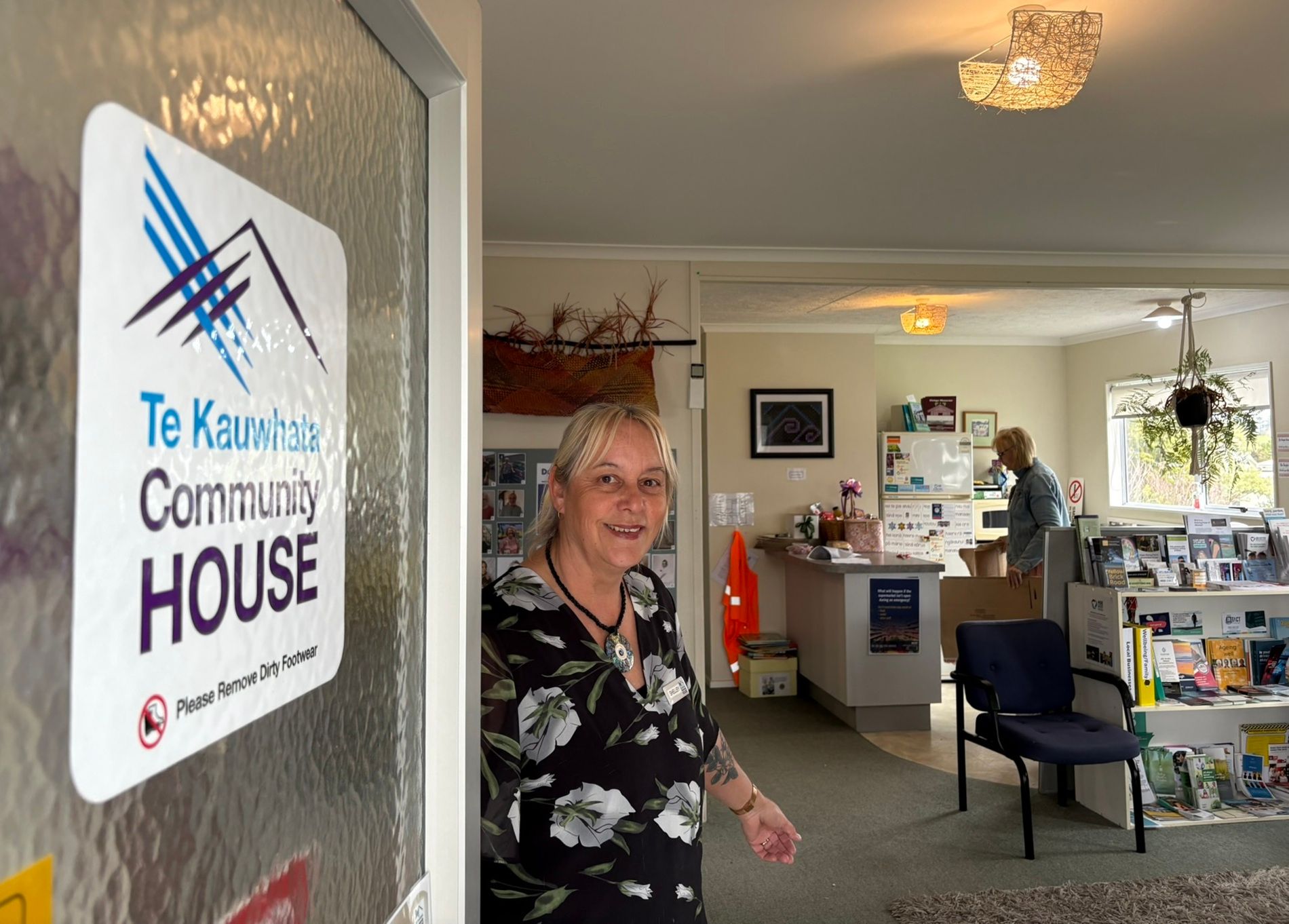
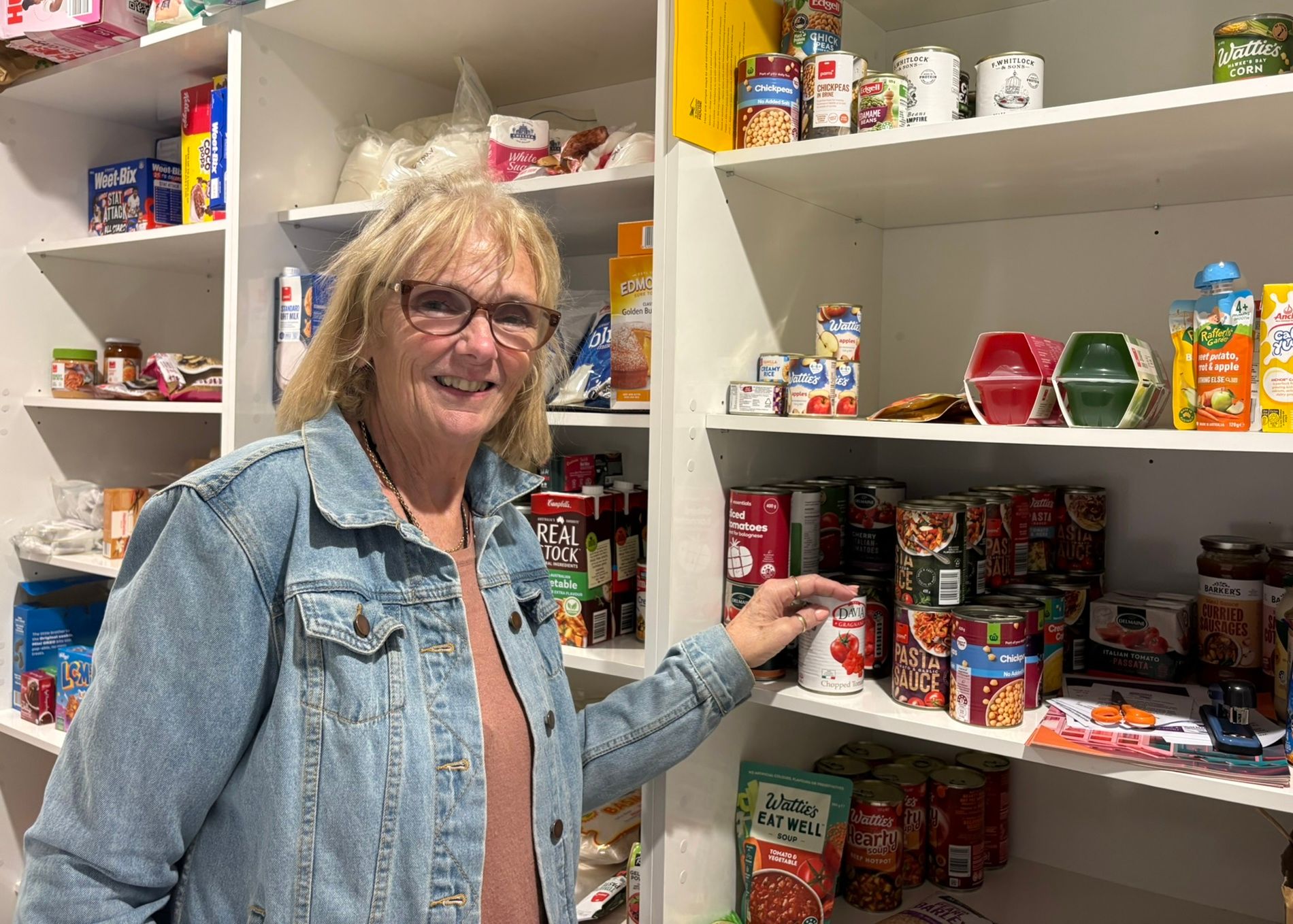
Offering money management advice is a key element of Te Kauwhata Community House’s coordinated support, which also includes the food bank pictured below, a shared garden, social transport, counselling, senior support, kids’ activity clubs, creative classes for all ages, job-seeking and legal advice, and public and social events.
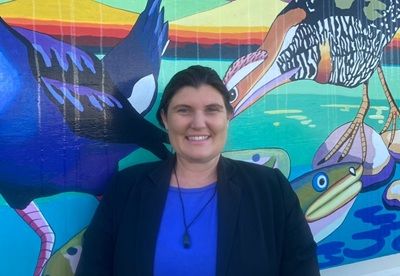
Manager Lauren Hughes, pictured below, says people getting budget advice usually first make contact with the Community House through using one or more of their other services.
“Everything is integrated here. For instance, we put notices offering help with managing money into all our food bank parcels, and our counsellor tells us when their clients need food.”
Nicky Patterson, the House’s Budgeting Supervisor pictured below, says there are often psychological barriers to asking for help.
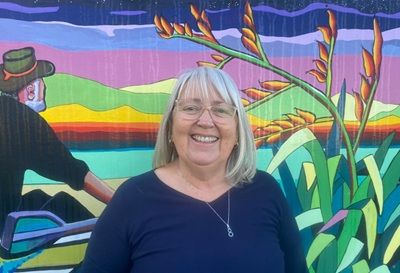
“There can be lots of crying, so we gently work through what’s going on, how they feel, how it affects them, and then make them feel OK to tell me and build trust. We look after the whole person, and money is a part of a whole person.
“The overwhelming thing is often a sense of shame in admitting what they spend their money on. Most often it is because they have been frittering it away at the bakery, thinking it’s just $10, that’s not much,” says Nicky.
“Some of the biggest things to overcome are the effect of social media and advertising, which promote want over need. Companies like After Pay have made the want easier, which is creating issues.
“We now have clients using After Pay for food, because that’s an afterthought, which is upside down. People want to ‘keep up with the Jones’, so will buy a new phone, or lose track of their subscriptions, and then don’t realise where they’re at.”
Lauren says people usually only come to them or are referred when they’re facing an emergency.
“Occasionally we will help them through finding a new means of income, say a new flatmate, or a grant, or a job. Usually though it is about helping them to better manage their expenses, through increasing their awareness of the behaviours that are undermining their goals.
“Many have untenable debt, maybe lost their job or got evicted. They stay with us long enough increase that financial literacy and set some goals in life.”

The Community House helps a wide range of individuals and not all of them are in “a crisis space”.
“We see pensioners who have managed money well all their lives but have hit a challenging milestone so need some fresh eyes on what they are doing,” says Lauren.
“We’re working with a couple who do have some financial literacy skills but just have different views on how they are doing, so it’s about coming up with a mutual plan - finance is often a huge stress in relationships.”
Nicky says she has seen a number of people who have gone into business for themselves but don’t really have the relevant skills.
“For example, they land up using personal accounts for the business or not saving for tax. There are rules around what we can do and we can’t deal with business expenses and debts, that’s for an accountant. So, we just deal with their household budgeting, which can be challenging when the line between the personal and business gets messy.
“Overall we’re seeing some good outcomes, with people consolidating their debt and being able to save enough money for emergencies and then for their goals in life.
“I saw someone in the supermarket the other day and got a big hug from them, because we’d made a real difference in her life.”
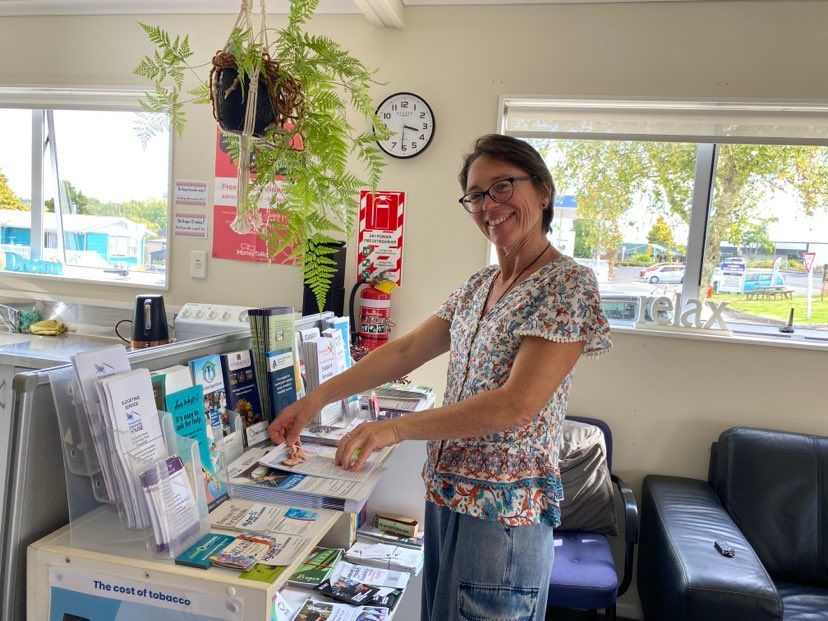
Lauren says that while much of their work is helping people already in trouble, they are making progress on preventative measures.
“We’ve been talking to our high school about how financial literacy sits in their social studies programme, and our healthy homes work weaves money management into its messaging around living in a sustainable way through things like managing power bills and eliminating unwanted expenses.”
All this takes up volunteer time and stretches the Community House’s own financial resources.
“We’re grateful of any funding we can get,” says Lauren.
“We engaged with our community on over 12,000 occasions last year, and the grant from Momentum’s Waikato Financial Literacy Fund is an important part of the puzzle that is keeping us running for another year.”
If you would like to help grow and accelerate the capacity of the Waikato Financial Literacy Fund to provide support for budgeting services and other better personal money management initiatives, you can find out more or donate at momentumwaikato.nz/financialliteracyfund, or get in touch with the Momentum Waikato team via momentumwaikato.nz/contact.